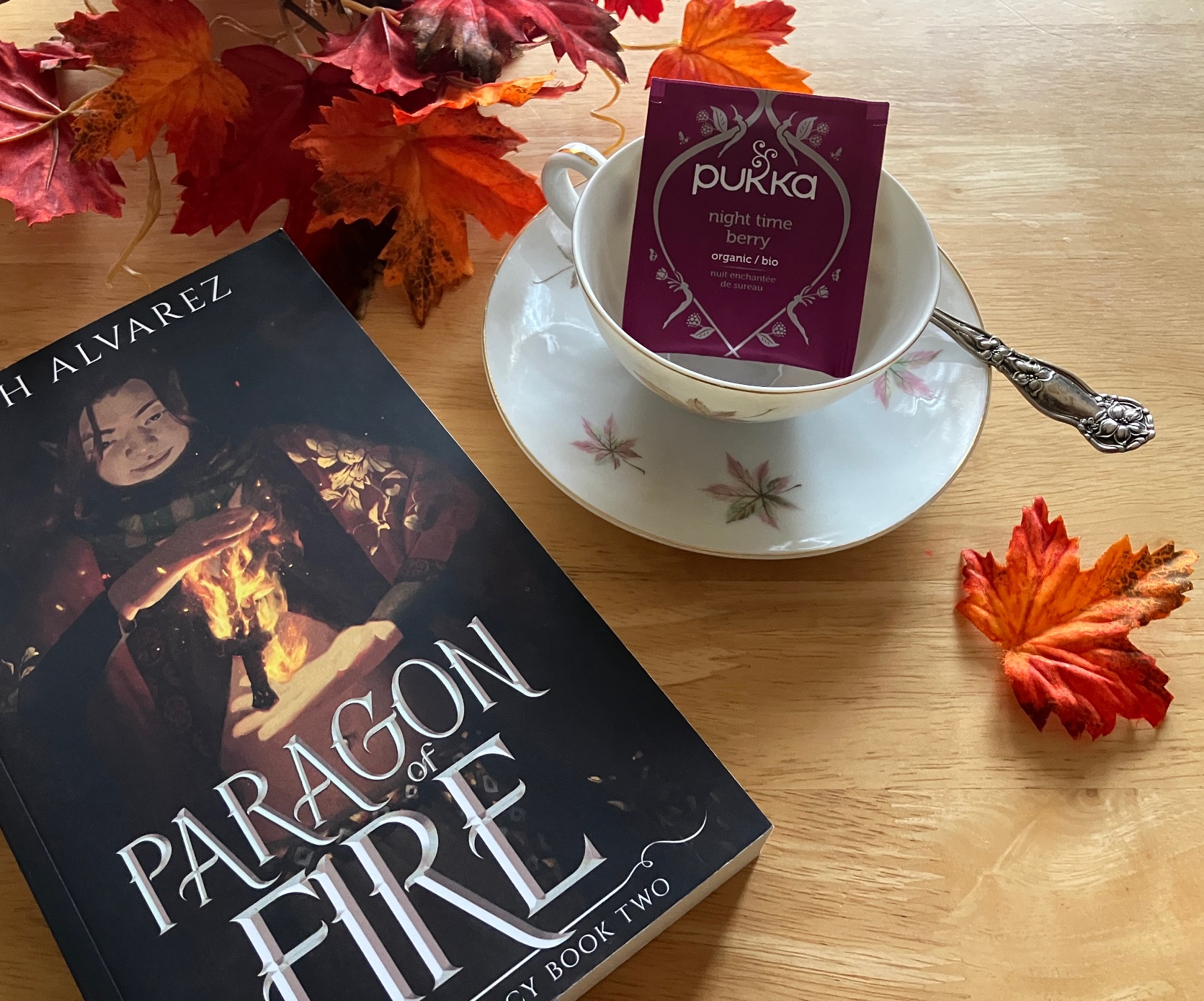
A trip to buy baking supplies shouldn’t have ended with kidnapping.
Now Elia is one of only two witnesses in the disappearance of her friend, and Cass, the surly woodsman who aided her escape, has only one goal: to get her home safely and wash his hands of the whole ordeal.
Elia knows they can rescue her friend, if she can only convince Cass to help—and no matter how prickly he may be, he can’t resist her sunshiny ways. But when her plea for the crown’s assistance results in her rescuer crossing blades with the king, it becomes clear Cass is more than a mere woodsman.
To spare his life, a deal is made, and Elia’s new job is simple: Follow Cass, discover his secrets… and avoid falling in love in the process.
The Spymaster’s Prize is a fantasy romance with no spice, but contains high action and some combat violence. It is a full stand-alone story with a happily-ever-after ending of its own, though readers may enjoy the additional context provided by previous Artisan Magic books.
So I mentioned it on social media, but keeping up with all the social… everything… when I am in writing mode is really tough. The Spymaster’s Prize is done now, though, and it’ll be released on Saturday. You can preorder your copy on Amazon here, if you haven’t yet. Otherwise, if you’re waiting for the paperback, it’ll be along in March.
The release of the second Artisan Magic brought up an interesting conversation with a friend, though, and it occurred to me that it might be something worth writing a post about. See, in The Spymaster’s Prize, Elia is accidentally swept off on quite an adventure, but she’s not equipped for it. Like her cousin Thea in the first Artisan Magic book, The Assassin’s Bride, Elia is… well, ordinary.
Over the years, ordinary women seem to have vanished from fantasy fiction. There’s nothing wrong with the hardened warrior women or strong, talented mages. But at some point, the push to have perpetually stronger lead ladies did something to me, specifically: It made me feel like fantasy was no place for me.
It’s cool to have role model characters to look up to, who inspire you and challenge you to reach for new heights. But as an exceptionally ordinary person, it also began to feel a little out of reach, distant from real possibilities for me. As I faced a lot more health challenges over the past year, that became a little bit sharper of an ache. Everywhere I looked, there were either crazy strong, hardcore women who can lay a smackdown on evil and sass everyone along the way… or there were the wilting waifs of much older fantasy, damsels in distress who could do nothing on their own. Where was the in between?
When I settled in to write The Assassin’s Bride, that was one thing I wanted to address, creating a character with generally ordinary skills–those of a seamstress, if a magical one–and no experience with adventure. She could have been me, a woman swept out of the doldrums of hemming trousers and whirled away into something that demanded more. Don’t get me wrong, Thea is wilting flower. Something she does in one of the combat scenes (in which she is an active participant!) is one of my favorite pieces of the whole book. But her strength isn’t defined just by the fact she holds her own in a fight when the cards are down. It comes from that ordinary women are already capable world-shapers, just as we are.
Following that framework, Elia’s story is similar; she’s a homebody and a baker, someone eager to fix the problems of her loved ones, someone who can be caring to a fault. Yet she’s also the first person to bludgeon someone in the story, and she never backs down. Her background isn’t extraordinary, but it’s her strength of spirit and her determination that simply being herself is enough that carries her through the story on the quest that eventually makes her a hero in her own right.
That means the story won’t be for everyone. People who are looking for the formidable fighter or fainting flower won’t find it here, but if you’re looking for a regular person who overcomes challenges and proves they had remarkable strength without ever having to change who they were… well, that’s a different story.
Back when I started planning to write the Artisan Magic books, I spent some time dipping back into the subject of writing craft–specifically, rules for writing fantasy.
Obviously, when talking about something like fantasy, the very concept of “rules” is a little shaky, but exploring how others approach world building always helps me figure out how many things have already solidified in my mind before I start writing a new world.
One thing stood out while I was reading, though. There was a lot of debate over which magic system was better to use, but something a lot of writers commonly agreed on was that it was important to establish whether your world’s magic system would be hard or soft magic. I’d already decided on the path I’d take for the Artisan Magic books, but for me, seeing everyone agree on that subject made me keenly aware of the fact there’s a third path, because it’s what I took in writing the Snakesblood Saga.
If you aren’t familiar with the concept of hard and soft magic, it’s pretty easy to explain: Hard magic follows strict rules for how it functions, as well as what it can and cannot do. Soft magic is far more ambiguous, largely unexplained, and how it works and what it’s capable of is generally a mystery.
Gandalf’s powers in The Lord of the Rings is based on a soft magic system, where it’s a strange, otherworldly thing that everyone knows exists, but no one is quite sure how it works or what it can do. And for hard magic, the popular children’s show Avatar: The Last Airbender is a great example, where powers are neatly categorized and there are solid rules, even when it falls outside the skill set of a typical bender.
Pretty much everything I’ve ever read or seen falls into one of these two camps, so where’s the third I mentioned? Well, it seems to be an unpopular choice, but in the Snakesblood Saga… I used both.
Bound mages follow strict hard magic rules. They’re limited in what they can touch and what they can do, and their power is generally well understood. The other side of the coin is the free mages, who are exceptionally rare. Their power is raw and unrefined, a power source that defies all known rules and cannot be understood. While it can be wielded with clear intention, what it can and cannot do is unknown, which is part of what makes them dangerous–they have no obvious limits.
The strange thing is that I never intentionally combined hard and soft magic systems. That was something that grew organically in the story as I wrote and developed it. Since becoming aware of it, though, I’ve been on the lookout for more stories that include both hard and soft magic in the same world, and I haven’t been able to find any good examples yet.
Which do you prefer, hard or soft magic? Have you ever read another story that combined both?
One of the more interesting discoveries that came with being involved in various book communities over the years is that there are a few things that can be found in some stories that people seem to hate. That probably doesn’t come as a surprise to most people… but particularly in communities like the bookish side of Instagram, there are a few that really surprised me. Things that people really deeply revile, that the entire book community seems to revile. Two stood out in particular, and part of what made that strange to me was that as far as story tropes go… the two most universally hated tropes were two of my favorites.
So this post is as described on the package: A short list of my favorite unpopular tropes, because we’re only touching on two, but they were big ones for me. One’s easier to understand, but we’ll start with the one I like more of the two.
Favorite unpopular trope number one: Pregnancy.
Apparently, a huge number of readers hate when a lead character becomes pregnant and/or has a child along the way. Me? I love it.
I can understand why some don’t, because I’ve definitely seen instances of it being done badly. Sometimes a character’s pregnancy is used as a source of dramatic conflict, forcing people together or apart in ways that seem stilted and unnatural. But when characters whose life ambitions involve raising a family of their own are able to do it? Ah, that’s a thing of beauty in a story. Even if the circumstances surrounding the child’s arrival are a surprise or a bittersweet note in a story, I love it.
Since I grew up reading a lot of epic fantasy, extremely few characters had children along the way, and it was essentially never the hero or “chosen one” in the tale. I’ve always felt like that was a niche that hadn’t been filled, and while it’s more common in stories than it used to be, characters settling and having kids is usually post-script. There’s nothing wrong with that, but as a parent, I especially prize stories where the heroes have kids along the way and figure out how to make it work. Seeing the heroes have kids during the progression of the adventure, without having to step aside and let the adventure move on without them? Those stories are treasures, things that make me feel seen and acknowledged as a mom, and I’ve greatly enjoyed including the arrival of kids in some of my books as something that’s part of the adventure, not the end of it. After all, that’s what real life is like for a huge number of us.
Favorite unpopular trope number two: Miscommunication.
This is the one where it’s easier to see why people don’t like it. It’s often done badly, amping up problems when sitting and having a conversation would resolve everything. So people get unhappy with this being used as part of a story, because people should just sit and talk!
But the thing is, real life isn’t like that. People don’t sit and talk. We don’t sit down and clear the air and fix everything just like that. A huge number of problems in our real lives aren’t resolved by sitting and talking, so why would we expect fiction to reflect our idealized desires and not our actual behavior? A well-done miscommunication, whether mistake or misunderstanding, can be an exceptional story addition because it’s a realistic way for characters to behave. The important thing is ensuring it’s a genuine obstacle the characters work around, not an artificially inflated plot device just to make them suffer and struggle without a satisfying resolution.
And that’s it. My short list.
Now, let me hear yours. What’s your favorite story element that other people seem to hate?
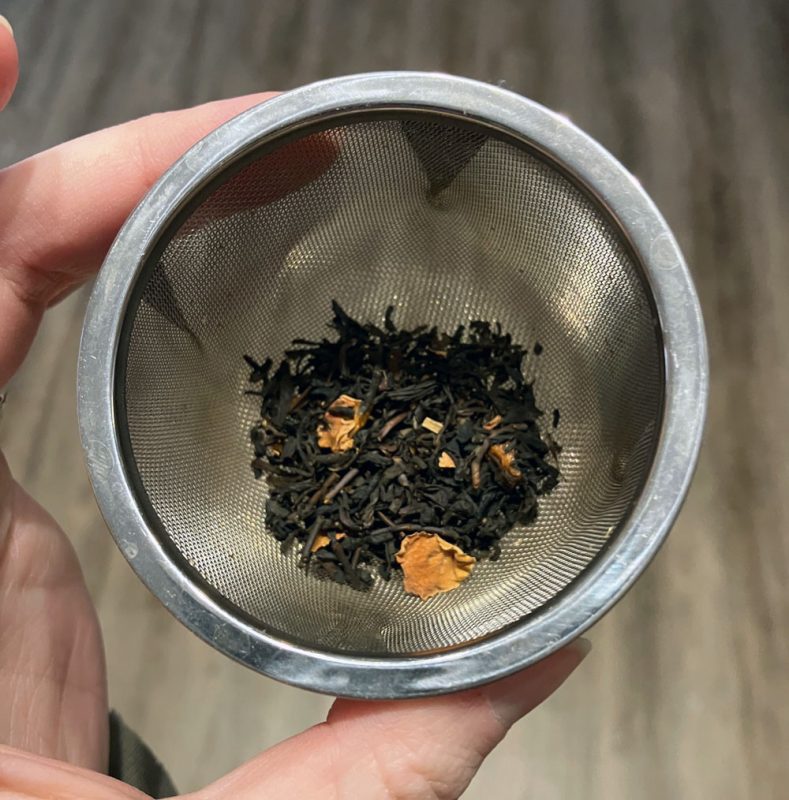
So let me start by saying this: me and peaches don’t get along. I like the idea of peaches. I like the smell of peaches. And if you like the smell of peaches, wow, you’re going to love the way this smells the moment you open the package. The concept of peaches is nice. The flavor of peaches… unfortunately, doesn’t always get along with me.
The sunflowers are an exciting pop of color in the mix, and I love that! Unfortunately, it’s too peachy for my tummy, so I couldn’t drink much before it didn’t get along with me anymore.
Despite that, I still have nice things to say about this, and good, since honestly, drinking peach flavored tea when I know peaches upset my stomach is not the smartest thing I’ve ever done. But like I said, it smelled good, it looked good. I wanted to know.
This tea is a really great blend, where the peach is super strong in fragrance, robust in the first sip, and strong in the aftertaste. It’s smooth, has a juicy quality to the flavor that I haven’t experienced in a lot of teas, and the fragrance is absolutely heavenly!
The brew is really golden and the sweetness is intense, so this needs nothing to be delicious. I could imagine it being great with milk added, it would probably take on a peaches and cream type flavor? But I couldn’t hang in there that long, so I don’t know for sure.
So, if you like peaches, you’re going to adore this. It’s bright. It’s colorful. It’s super peachy, really rich peach flavor. It’s just not for me, and honestly? I’m kinda sad, because as far as peach things go, this is really, really nice.
After the struggle to find writing time last year, I sat down with a different plan in mind for this year: I printed out a calendar, and the first thing I did was mark out every day I knew I wouldn’t likely be able to write. Holidays went first. Then weekends, because those always fill up with other things. Birthdays. Spring break. An estimated week for fall break. Thanksgiving. And then, the one that hurt the most, summer.
I’ve talked about how I’ll be planning this year in a way that will minimize stress and frustration for health reasons, but at the end of marking everything, the result was disheartening. A maximum of 178 days to use for writing, and that’s assuming nothing else ever comes up and nobody ever gets sick.
I should probably drop the estimate to 150 days, but for now, I’ll hold to what I can and try to plan with buffers for each writing project. The goal is to complete and publish 4 books this year. I only got 3 out in 2022, so this seems like a bit of a lofty challenge. But that said, two of those books were Spectrum Legacy titles, which are pretty beefy, and this year, two of the books on the table are considerably shorter.
The basic order of events should hopefully be this:
The Spymaster’s Prize in Q1
Paragon of Light in Q2
A third Artisan Magic book in Q3
Paragon of Shadow in Q4
Will it happen? I guess we’ll see, but this is what we’re hoping for. The Spymaster’s Prize is crawling past the midpoint with a goal of being done at the end of this month, but between doctor appointments and unexpected events, it may creep over into February before it’s finished. On the plus side, edits will be quick and easy and the cover is ready and revealed, so the book will be able to launch fast.
Will blocking out huge sections of the year work to help reduce the stress of my workload? I guess we’ll find out, and I’ll do a summary of how it’s going toward the end of the month.
A little different from my usual yearly plans, but variety keeps things fresh, right?
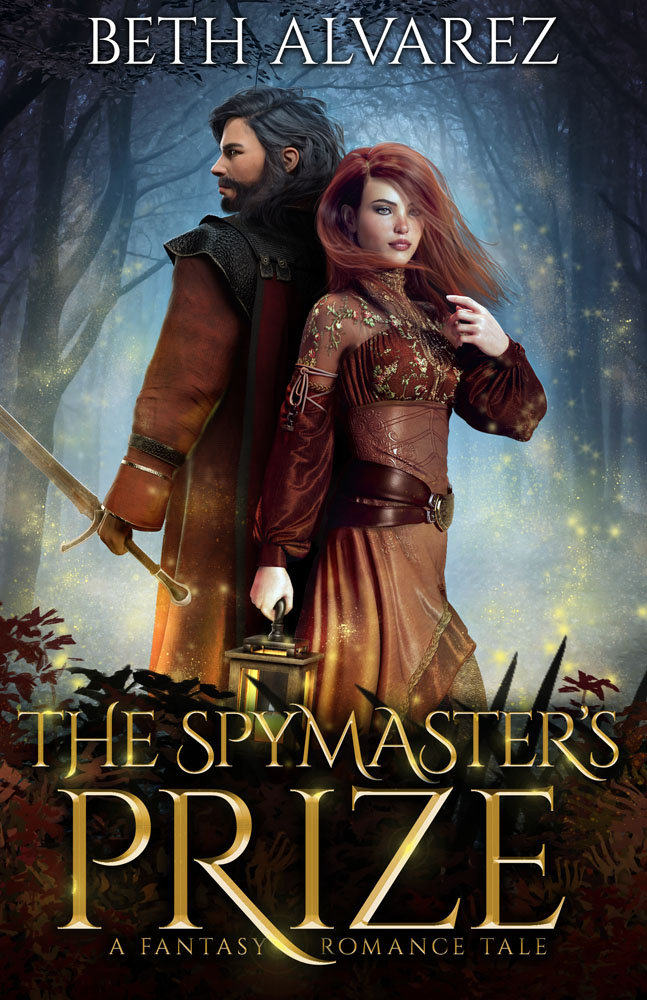
New year, new cover? It’s not the way the year usually starts, but it’s how we’re starting this time!
Here’s your first look at The Spymaster’s Prize, the second Artisan Magic book and another stand-alone story that can be read all by itself…
Ta-da! This installment in the series will be finished in a couple weeks, but I’m doing things differently this year, so here are a few things to know…
• This time, the book’s not going up for preorder. I’ve had a lot of health issues pop up in the last few months, so I need a lot of flexibility and setting hard deadlines for books isn’t doable this time around. Instead, the book will just launch the moment it’s ready, and I’ll let you know when it happens.
• This installment follows Elia, Thea’s sweet cousin who we met in The Assassin’s Bride. She may be feistier than you’d expect, and if you think the book’s title gives you hints as to what the story is about, you may be in for a few surprises!
• Yes, Thea and Gil will be making an appearance, so if you want to know what became of them after The Assassin’s Bride, you’ll be able to find out. 😉
• Some things you can look forward to in this one are grumpy/sunshine characters, forced proximity, and as you probably guessed, a good bit of mystery-solving. There’s action and combat in the first chapter, but sorry, spice lovers… I’m sticking with clean/sweet fantasy for this series!
I’ll have more information to share as we get closer to time for the book’s release, but it’ll show up some time in Q1, since it takes place in winter and I’d love to see it out when there’s still the potential for snow on the ground.
For the past several years, I’ve used a quarterly planning system. That means four times a year, I was supposed to have a fresh start to figure out what I was working on, where I was headed, and how I was going to get there. Recently, however, I noticed something about my use of the quarterly system.
Starting with a clean slate four times a year was supposed to be encouraging, letting me plan smaller and focus on more granular tasks. But it also included a milestone system where I was supposed to see how close I was to achieving my quarterly goals. Without fail, three months ended up being too big a span of time, with too many unpredictable pieces, and I found myself disappointed the end of every quarter instead of empowered because I was always so far off track. Always too far behind, with no hope of being able to catch up.
Pairing the stage of life I’m in–where things change radically in my schedule week over week–with some developing health problems I’m working to fix, I realized it was just unrealistic to plan that far out.
So I started thinking about what I really need, and over the course of several months, I started developing my own planner pages with InDesign. This meant learning a whole new program, so going was slow, but I’m starting January with something new: the first draft of my own custom planner system, something designed to flex around big schedule changes, no matter how often they come. Something designed to help me get through one month at a time, while still making serious progress toward the things I want to achieve in a year’s span.
And man, let me tell you, developing something like this is a lot harder than I thought it would be. This is my first month using the system, and even just from sitting down to fill it out to get January rolling, I’ve already found four things I want to change, one section I want to completely redo, and one place that needs to be expanded by several pages to make sure everything runs smoothly each month.
But it gives me a chance to use a lot of methods I’ve experimented with over a few years, and while it will take a while to refine it into something really effective and efficient, I’m hopeful for how a few things in particular will help me stay super-focused on the things I want to achieve.
It’s strange to see how many of the different systems I’ve tried have amalgamated into this layout, and I’ll probably make a lot more changes because I’m not sure the layouts I’ve created will be the ones I need or want all the time. For example, having large daily pages for my usual work weeks is great, but what about the weeks I’m on the go? Having a set of more compact overview pages that I can swap in as needed sounds super useful, and I’ll be adding that to my list of things to make. It helps that I can do everything at home and just print it off as needed, so I can experiment with a lot of different layouts and designs to find something that truly works for me and my family’s schedule.
When everything is done, I’ll probably share a full explanation of how I set everything up and how I use it, and at some point, I hope to make it available for other people to use, too. That said, while I’ve got some people helping me test it to make improvements, it will probably take a while to iron everything out and also create something fresh and unique enough to make it worthwhile. Maybe it’ll be ready in a few months. Maybe it’ll be ready this summer. Or maybe this time next year is when you’ll see me sharing a look at the final version.
Either way, it’s a fun experiment and I’m honestly surprised it took me this long to sit down and work on a planner system of my own. I’ll share more information about specifics as I work things out, but the new year is calling, and my new monthly planner spread awaits…
One of the hardest parts of making plans is realizing that sometimes, nothing you do will ensure you’re able to uphold them. Sometimes things come up, unexpected events that sap your time and leave you unable to keep up with the things you intended to do. And sometimes, the things that come up are bigger. Changes to more than just your schedule, things that mean rethinking a lot of what you do… and what you plan to do.
One of those changes came for me in November, when a visit to the doctor that was supposed to help me figure out how to be more active went the opposite direction. Instead, I went home with directions to cut huge amounts of activity from my schedule, get extra rest, and pursue more intensive testing to determine what’s wrong with me, because it turned out it may be more than just lingering long Covid fatigue.
Rest, however, is hard to come by when you have a full schedule. And cutting things from your schedule is hard. Especially when I’d already streamlined what I do, cutting out all but the things that moved me toward my goals. Of course, this came with its own downfalls. I’ve been struggling with a case of burnout for the past two or three years, and even cutting back my schedule for videos (since I had been posting doll projects on YouTube each week for years, and it had begun to stifle my creative freedom) didn’t help alleviate its symptoms.
That burnout actually gave rise to one of the questions I put before my doctor: did pushing through to keep up my production levels lead to me getting sick? I was glad when the answer she gave me was no, but we also discussed that it probably didn’t help. After all, every bit of time I spent working was time I wasn’t resting. Plus, every time I got stressed over deadlines, that did run the risk of aggravating my developing health conditions. So her instructions were simple. Cut stress. Cut projects. Rest more.
I spent the next few weeks working over my schedule again and again, trying to figure out how to keep up with all the things I do that I love doing, and after several weeks of trial and error, I made a discovery: I can’t.
So then I spent time working out numbers. How many hours could I work while still meeting the minimum amount of rest the doctor wanted me to get? Which projects took more energy? Which ones could be changed to better fit my shrinking schedule?
I learned a few things.
One, the amount of time it takes me to edit a doll project or tutorial video skews strangely depending on the length of the video. It took me proportionally far less time to edit longer videos, even though they’re typically more complicated.
Two, the doll projects are way more fatiguing than the book projects, which makes sense, and admittedly also came as a relief because I’ve always said if it came down to it, I would prioritize writing.
Three, the easiest type of video for me to produce was vlogs, which I practiced recording while writing.
And four, doll content does not translate well to vlog format.
And of course, these discoveries gave rise to a few conclusions.
I need to cut down my doll content even more… or else give up making it altogether. I’d never quit my doll hobby itself, but it’s finally come down to a situation where I have to choose between persisting with YouTube tutorials for other doll hobbyists to learn from, or continuing to write. And I can’t give up my books.
And… because of using them to practice making shorter/easier content, now I’ve ended up with a bunch of simple writing vlogs. They don’t make sense to share on a doll channel, but I made them, so they’d be nice to share somewhere.
As a result, I ended up starting a second channel where I can post things about my books and writing without detracting from the doll content people are looking for on my main channel.
It took a while to convince myself it was okay to start a secondary channel to post stuff I’d already made while also cutting down what content I make for my doll channel. But it’s stuff I’d already recorded, stuff that was a learning experience, and people have asked me to share more about my writing and publishing ventures, besides.
It certainly won’t be updated frequently, especially since I’m cutting back and not giving myself more work to do. But the vlogs are low-pressure content that’s easy to edit and only takes a few minutes here and there to film, so it’s a nice way for me to let people know I’m still going, too.
You can find my new channel here:
As for my doll channel, it will keep going for as long as I can manage it… but I’ll be changing to uploading longer videos whenever they’re done, instead of adhering to any strict schedule. That may be the death knell for the channel, since algorithms hate that sort of thing, but it’s better than letting it fall completely fallow, right?
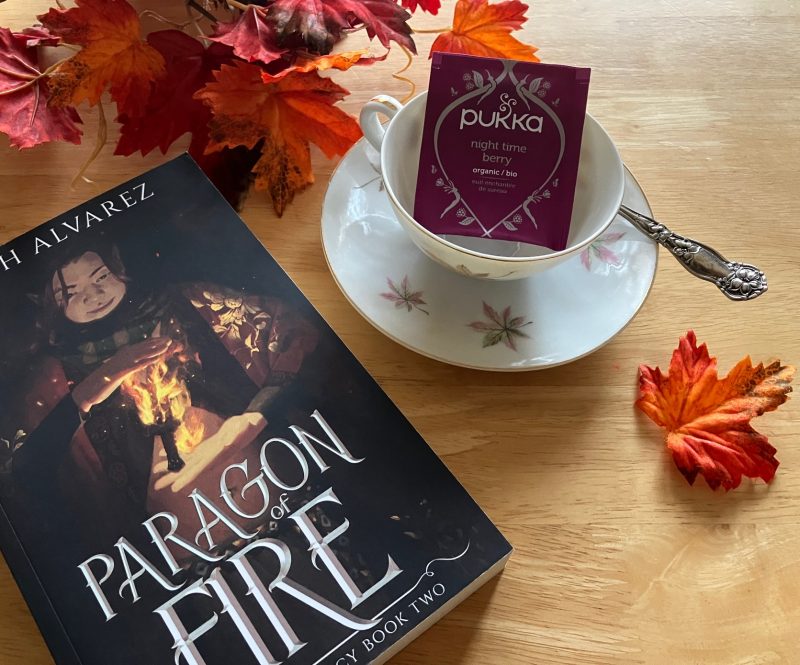
After how much I liked the Pukka Love tea my sister gave me, I was delighted to see the grocery store near my house began carrying other options. The first one that jumped out at me was the Night Time Berry variety. The package promised berries with and chamomile and echinacea, so I had pretty clear expectations when I decided to give it a try. The ingredients list boasted rose hips, elderberry, blueberry, and blackcurrant as the berries, which sounded appealing, as I tend to like all of those as fruity flavors. I took it right home and brewed up a cup.
As far as flavors go, though, I expected a lot more berry and a lot less herb. The main taste players are the echinacea, licorice root, and a bit of the ginger, which lends a little unexpected heat. The berries are barely detectable beneath those notes, a faint hint of sweetness, and the aftertaste is primarily ginger with the tiniest bit of a floral note from hibiscus and lavender. The rose hips are all but undetectable,
It’s sweet enough without any additions, which was one thing I liked about the Love variety, but the main focus in this brew is clearly the healthy (and relaxing) herbs. I suppose that makes sense for a bedtime tea, but ginger isn’t high on my list of favorite tea flavors, and the lack of noteworthy berry taste left it a little unsatisfactory for me.
It’s fine as far as herbal teas go and I wouldn’t turn my nose up at having a cup, but I’m more likely to reach for the Love flavor… or stick to my favorite vanilla chamomile.


 A trip to buy baking supplies shouldn’t have ended with kidnapping.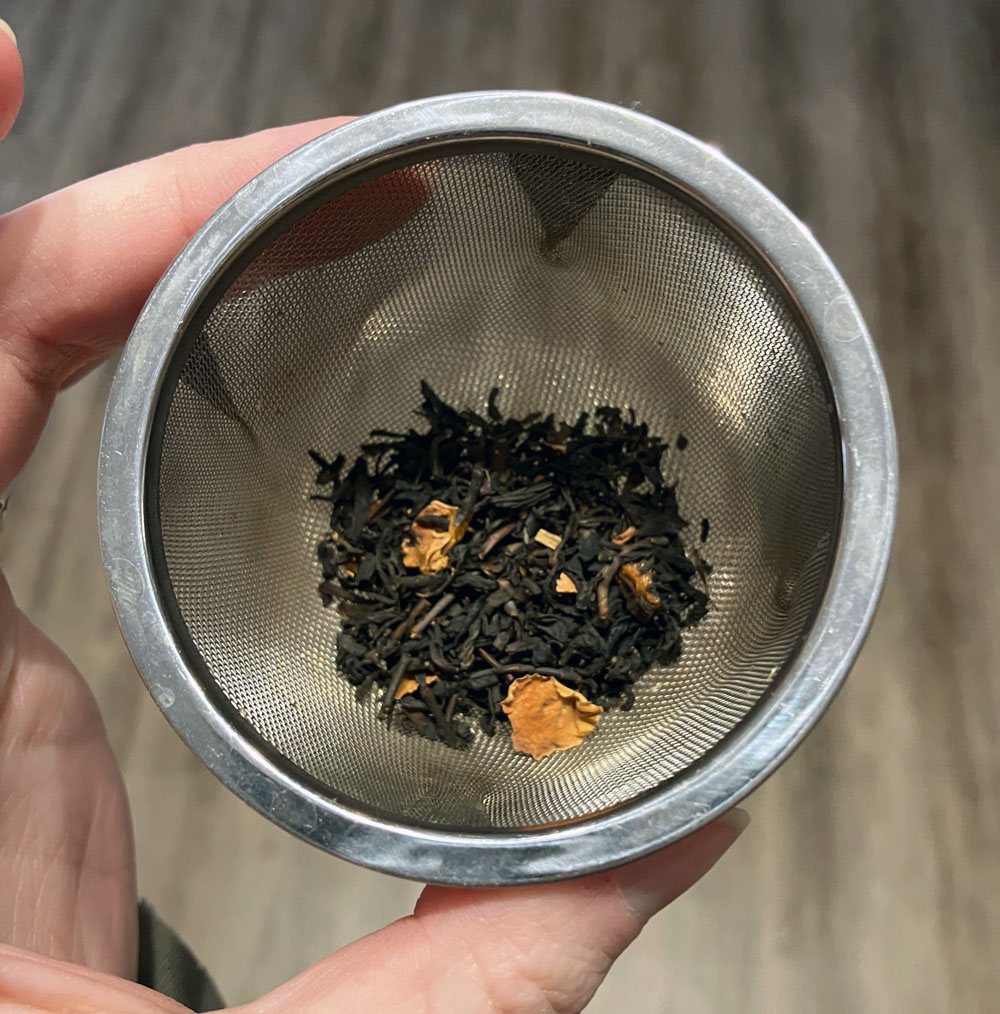
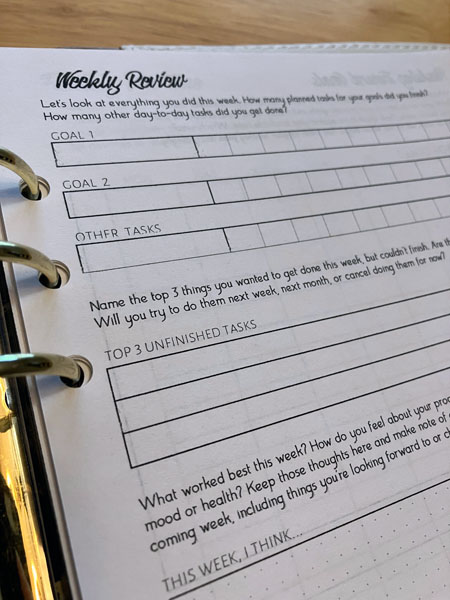

 It’s strange to see how many of the different systems I’ve tried have amalgamated into this layout, and I’ll probably make a lot more changes because I’m not sure the layouts I’ve created will be the ones I need or want all the time. For example, having large daily pages for my usual work weeks is great, but what about the weeks I’m on the go? Having a set of more compact overview pages that I can swap in as needed sounds super useful, and I’ll be adding that to my list of things to make. It helps that I can do everything at home and just print it off as needed, so I can experiment with a lot of different layouts and designs to find something that truly works for me and my family’s schedule.